
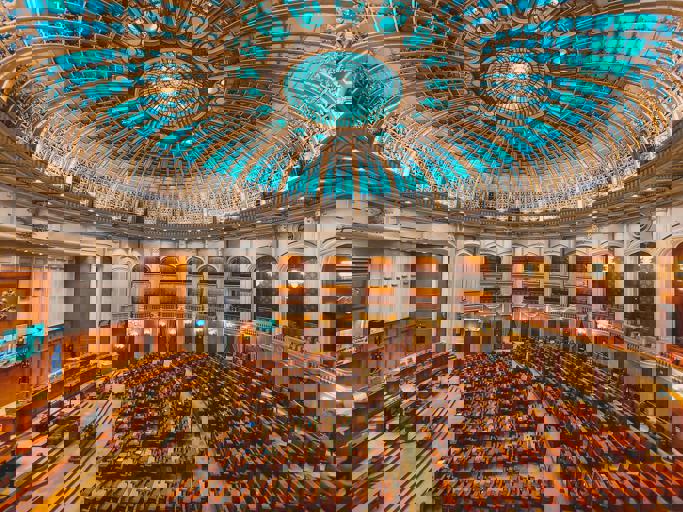
The House of Lords, the upper chamber of the British Parliament, is increasingly under scrutiny as public sentiment against its perceived privileges intensifies. Calls for reform have gathered momentum in recent months, sparked by revelations about the generous allowances, lifelong titles, and exclusive facilities enjoyed by its members. Critics argue these benefits are out of step with a public mood demanding greater transparency and accountability from public institutions, particularly amidst a cost-of-living crisis affecting households nationwide.
A recent YouGov poll revealed that 62% of Britons now support significant reforms to the House of Lords, with almost a third favoring outright abolition. This upsurge in public discontent follows reports highlighting questionable attendance records and limited legislative contributions from some peers. Many observers attribute these issues to the chamber's hereditary and appointed nature, which critics say insulates it from democratic pressures and leaves it unresponsive to modern societal expectations.
The unique privileges accorded to Lords include generous daily expenses, access to subsidized dining rooms, and the use of exclusive parliamentary facilities. Members also benefit from lifelong titles and, in many cases, a platform to influence public policy without direct electoral accountability. These perks, while defended as necessary to attract expertise from various professions, are increasingly seen as unjustifiable in a period when public services are strained.
Reform advocates, including high-profile MPs and think-tank analysts, argue that the current set-up fosters an atmosphere of entitlement within the chamber. "There is a growing sense that the Lords is out of touch with everyday Britons," said Dr. Jane Mitchell of the Institute for Government. She points out that recent incidents, such as Lords submitting claims for parliamentary work while holding multiple external interests, have damaged the institution's credibility.
Defenders of the Lords counter that the chamber plays a vital role in revising legislation and representing expertise absent from the elected House of Commons. Former Lord Speaker Baroness D’Souza argues, "While reforms are always necessary, we must not dismantle a crucial check on government overreach." She also emphasizes that many peers contribute significantly, sitting for long hours to scrutinize complex legal measures.
Nevertheless, the government has faced renewed pressure to modernize the chamber’s membership and curtail its benefits. Proposals under consideration include introducing term limits for peers, reducing the daily expense allowance, and creating a partially elected upper house. These measures are seen as possible ways to bolster the institution’s legitimacy without losing the diversity of experience the Lords is intended to represent.
Reformist efforts have received backing from civil society organizations and prominent public figures. Campaign groups such as Unlock Democracy have organized petitions and rallies, arguing that a restructured Lords could offer better value for taxpayers and improve legislative scrutiny. Their director, Alex Smith, stated, "The public deserves a second chamber that reflects their values—not an exclusive club of lifetime appointees."
On the other hand, some traditionalists worry that rapid reforms could destabilize the delicate balance of power in Parliament. Constitutional expert Lord Norton warns, "A radical overhaul, if not carefully managed, could undermine the very qualities that make the Lords effective as a revising chamber." Nevertheless, even he acknowledges that some reforms may be necessary to respond to changing public expectations and restore faith in the institution.
As debate intensifies, the government faces mounting challenges in balancing the need for meaningful reform with constitutional stability. With public opinion firmly shifting and political pressure rising, the future of the House of Lords remains uncertain. Whether incremental reforms or a more radical overhaul ultimately prevail, it is clear that the era of unquestioned privilege for the Lords is drawing to a close. The chamber now stands at a crucial crossroads, with its own legitimacy at stake.